

Ford Engine Reliability Parts Checklist: Air, Fuel, Spark, Emissions, and Charging/Starting Basics
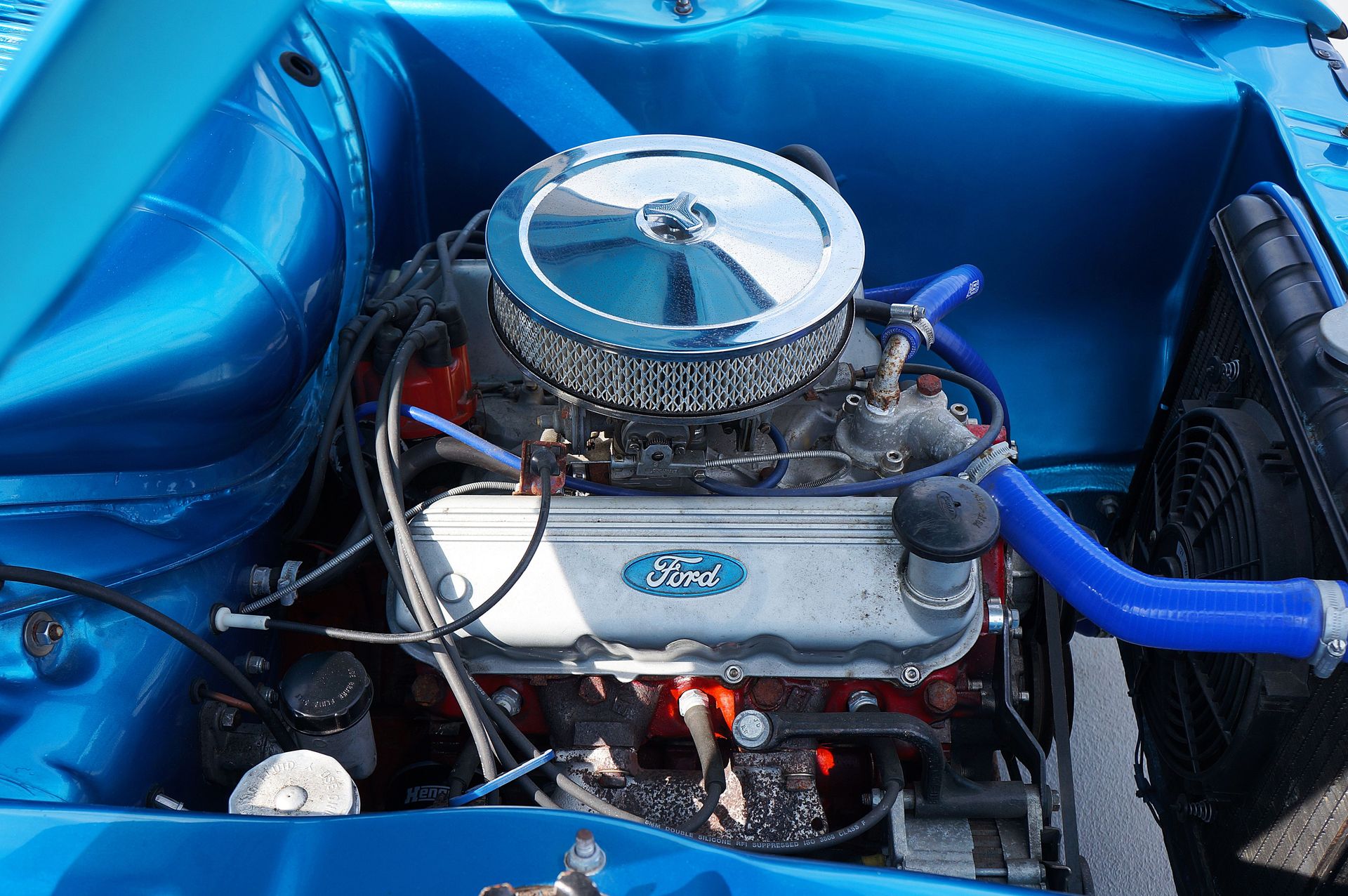
A Ford engine that starts consistently and runs correctly depends on a few core systems working together: clean air, steady fuel delivery, strong ignition, accurate sensors, healthy emissions support, and reliable charging and starting power. This guide helps you plan Ford engine reliability parts without guessing or replacing random components.
This is not a drivetrain or suspension guide. It focuses on tune-up parts, air and fuel delivery, ignition service, emissions-related parts, deeper engine planning, and the charging and starting basics that can prevent false “engine problem” symptoms.
Quick Order of Operations
- Start with filters and basic maintenance items.
- Inspect spark plugs, coils, wires, and older distributor parts.
- Check air intake, throttle body, and sensor-related symptoms.
- Move to fuel delivery parts if hesitation, hard starts, or fuel smell continue.
- Address emissions parts after the engine baseline is healthy.
- Consider gaskets, timing, oiling, or internal engine parts when symptoms go deeper than a tune-up.
A Simple Map of What Makes an Engine Run Right
An engine needs the right air, fuel, spark, compression, timing, and control strategy. When one area falls behind, the vehicle may hesitate, idle poorly, lose power, start hard, or use more fuel than expected.
Air enters through the intake system, air filter, air cleaner assembly, throttle body, and related sensors. Fuel moves through the tank, filter, injectors, and injector controls. Spark comes from plugs, coils, modules, wires, or distributor parts, depending on the Ford application. Control comes from sensors, modules, and engine computers that help adjust operation.
Supporting systems matter too. Timing parts, oiling parts, vacuum pumps, gaskets, and charging components can all affect how the engine behaves. A weak battery or poor alternator output can create symptoms that look like ignition or computer problems, so the full system matters.
Symptom-to-System Triage: Don’t Buy Random Parts
A hard start and a no-crank condition are not the same issue. If the engine does not turn over, look toward the battery, starter, cables, or charging system first. If it cranks normally but does not fire, ignition, fuel delivery, air metering, or engine control becomes more likely.
Misfire or hesitation under load often points toward spark, fuel, or air measurement. Idle problems may involve throttle body buildup, vacuum leaks, sensors, or intake sealing. Acceleration issues may involve injectors, fuel filters, throttle response, or ignition weakness. Fuel smell or poor MPG can involve fuel delivery and emissions parts. Rattles, leaks, oil consumption, or mechanical noise may point beyond tune-up items into gaskets, timing, oiling, or internal engine categories.
Filters First: The Low-Cost Baseline
Air Filters and Air Cleaner Assemblies
A restricted air filter can reduce airflow and make the engine work harder than it should. Damaged or missing air cleaner pieces can also let debris enter places it should not. Start with correct-fit air filters and air cleaner assemblies before chasing more complex intake concerns.
Fuel Filters
A restricted fuel filter can feel like weak ignition because the engine may stumble, hesitate, or lose power when demand increases. If the service history is unknown, check fuel filters as part of the basic fuel delivery plan.
Oil Filters
Oil filtration supports long-term engine reliability. It will not fix a misfire, but it does help protect internal parts during normal operation. Choose the correct oil filters when building a maintenance baseline.
Ignition Service: Spark Plugs, Coils, and Older Ford Distributor Parts
Spark Plugs and Glow Plugs
Worn plugs can cause rough starts, poor fuel economy, hesitation, and misfire-like symptoms. Diesel applications may use glow plugs for cold-start support. Match spark plugs and glow plugs to the exact engine.
Ignition Coils and Modules
Weak coils or modules can break down under heat or load, creating intermittent performance problems. If the symptom appears during acceleration or after warm-up, inspect ignition coils and modules.
Ignition Wires
Older ignition wire sets can crack, leak spark, or create rough running in damp conditions. When the vehicle uses them, replace worn ignition wires as part of a complete spark service.
Caps, Rotors, Contacts, and Distributors
Older Ford ignition systems may use distributor parts that wear over time. Aged contacts, caps, rotors, or distributor components can create hard starts and uneven running. Review caps, rotors, and contacts along with distributor parts.
Electronic Ignition
Modern systems rely on electronic control instead of traditional distributor wear parts. For those applications, use electronic ignition parts that match the vehicle.
Other Ignition Parts
Small ignition pieces, related hardware, and less common repair items may fall into other ignition parts. For access-related ignition needs, key blanks may also be relevant.
Air Intake and Throttle Response
Air Intake Systems
Air intake issues can cause noise, poor response, loose connections, or unmetered air problems. Inspect ducts, housings, and mounting points before replacing sensors. Use air intake systems when the intake path needs repair.
Throttle Body
The throttle body controls airflow into the engine. Sticky response, rough idle, or hesitation can sometimes involve throttle body condition or related controls. Shop throttle body components by fitment.
Engine Sensors
Airflow, pressure, and position-style sensors help the engine computer make fuel and timing decisions. When sensor data is wrong, the engine may run rich, lean, rough, or inconsistently. Review engine sensors when the diagnosis points to air or fuel measurement.
Fuel Delivery: Injectors, Controls, and Tanks
Fuel Injectors
Fuel injectors deliver fuel into the engine in controlled amounts. Poor spray, clogging, or electrical failure can create rough idle, hard starts, poor mileage, and hesitation. Replace suspect parts with the correct fuel injectors.
Injector Control Parts
Injector operation depends on more than the injector alone. Electrical and control-related parts can affect fuel delivery. Use injector control parts when the issue is in the control side of the system.
Fuel Tanks
Rust, damage, contamination, or leaks can turn the tank into a part of the reliability problem. If storage or supply is the concern, check fuel tanks.
Carburetor Parts
Older Ford applications may use carburetors instead of fuel injection. Hard starts, poor idle, fuel smell, or uneven response may involve carburetor parts.
Other Air/Fuel Parts
For related pieces that do not fit one main category, browse other air/fuel parts.
Emissions Support After the Engine Baseline Is Healthy
EGR Valve Parts
EGR system problems can affect idle quality, drivability, and emissions performance. Since EGR symptoms can overlap with ignition or intake issues, confirm the engine baseline first. Then review EGR valve parts.
Smog Air Pump Parts
Some applications use air injection support for emissions operation. If that system is present and needs service, use smog air pump parts.
Emission Control Modules
Control units and modules should not be guessed at. Fitment and system design matter. Choose emission control modules only when the diagnosis supports it.
Other Emissions Parts
For additional emissions repair planning, use other emissions parts.
Exhaust Components That Commonly Pair With Emissions Repairs
Catalytic Converters
A failing or damaged converter can affect emissions performance and exhaust flow. Replacement should be based on correct fitment and legal requirements for the vehicle. Browse catalytic converters when that part of the exhaust system is involved.
Exhaust Pipes and Tips
Leaks, rust, impact damage, and poor fit can affect noise and exhaust routing. Use exhaust pipes and tips for related repairs.
Exhaust Hangers and Clamps
A loose exhaust can rattle, sag, or stress other components. Replace worn exhaust hangers and clamps when supporting exhaust repairs.
When It’s Deeper Than Tune-Up
Timing Components
Rattle, poor running, or timing-related wear can push the repair beyond a normal tune-up. Use timing components when the service plan calls for it.
Oil Pumps and Vacuum Pumps
Low oil pressure concerns, oiling problems, or vacuum-assisted system issues require careful planning. Review oil pumps for Ford engines and vacuum pumps when symptoms point there.
Valve Covers and Oil Filler Caps
Oil seepage, burning oil smell, or visible leakage may involve covers, caps, or related sealing areas. Check Ford valve cover parts and oil filler caps.
Gaskets
Leaks and sealing failures can imitate other problems. Intake leaks may cause a rough idle, oil pan leaks can leave visible drips, and upper-engine sealing issues can create an oil smell. Plan with intake gaskets, cylinder head & valve cover gaskets, full gasket sets, and oil pan gaskets.
Valve Train and Internal Parts
If the concern involves mechanical noise, compression, internal wear, or rebuild planning, keep the parts list organized. Categories like camshafts and lifters, rocker arm components, and valves and valve train parts help separate top-end needs.
For deeper lower-end planning, review engine bearings, crankshaft parts, pistons, rings, and rods, and engine block parts.
Complete Engines and Other Engine Components
When the repair is larger than individual service parts, complete engine assemblies may be part of the discussion. For supporting pieces, use other engine components.
Charging & Starting Reliability
Batteries, Battery Trays, Cables, and Connectors
A weak battery or poor connection can mimic engine trouble. Slow cranking, random electronics, and intermittent starting should lead you to batteries, battery trays, and battery cables and connectors.
Starters and Starter Parts
If the engine does not crank or cranks inconsistently, the starter circuit may be involved. Review starters and starter parts.
Alternators and Generator Parts
The charging system keeps the battery alive while the vehicle runs. Battery lights, repeated dead batteries, or dim lights may point to alternators and generators or alternator and generator parts.
Voltage Regulators
Unstable voltage can affect electronics, starting, and drivability. Check voltage regulators when the charging output is inconsistent.
Optional: Engine Computers and Performance Chips
Engine computers influence fuel, spark, idle, and related controls, but they should not be the first guess for a rough-running engine. Confirm ignition, fuel, air, charging, and sensor basics first.
Performance chips are separate from repair parts. They may relate to tuning goals, but they are not a substitute for fixing mechanical, electrical, fuel, or emissions problems.
Buying Checklist: Fitment Before You Order
- Confirm VIN, year, model, trim, and engine code.
- Check whether the vehicle uses carburetion or fuel injection.
- Match ignition parts to the exact system design.
- Verify emissions package differences by model year and location.
- Confirm gasket, sensor, and module compatibility before ordering.
- Do not guess on engine computer or control module part numbers.
Frequently Asked Questions
Which do I replace first: plugs or coils?
Start with the part that matches the symptom and service history. If plugs are worn or overdue, they are often the first baseline item. Coils become more likely when misfire symptoms follow a specific cylinder, appear under load, or continue after plug service.
Can a weak battery mimic engine issues?
Yes. Low voltage can cause slow cranking, random electrical behavior, weak starts, and confusing control symptoms. Check battery health, cables, and charging output before assuming the engine itself has a major problem.
When do gaskets become must-fix leaks?
A gasket leak should be treated seriously when it causes oil loss, coolant loss, vacuum leaks, burning smell, visible dripping, smoke, rough idle, or contamination between fluids. Small seepage can become a larger issue if ignored.
Why does it run fine cold but poorly hot?
Heat-sensitive issues can involve coils, sensors, fuel delivery, vacuum leaks, modules, or mechanical wear. Notice whether the problem happens at idle, under load, or during restart after heat soak. That pattern helps narrow the parts category.
A reliable Ford engine parts plan starts with the basics and moves carefully toward deeper repairs. Filters, spark parts, air intake pieces, fuel delivery components, emissions support, gaskets, timing, oiling, charging, and starting parts all play a role. Match the symptom to the system, confirm fitment, and avoid replacing parts just because they are easy to reach.